
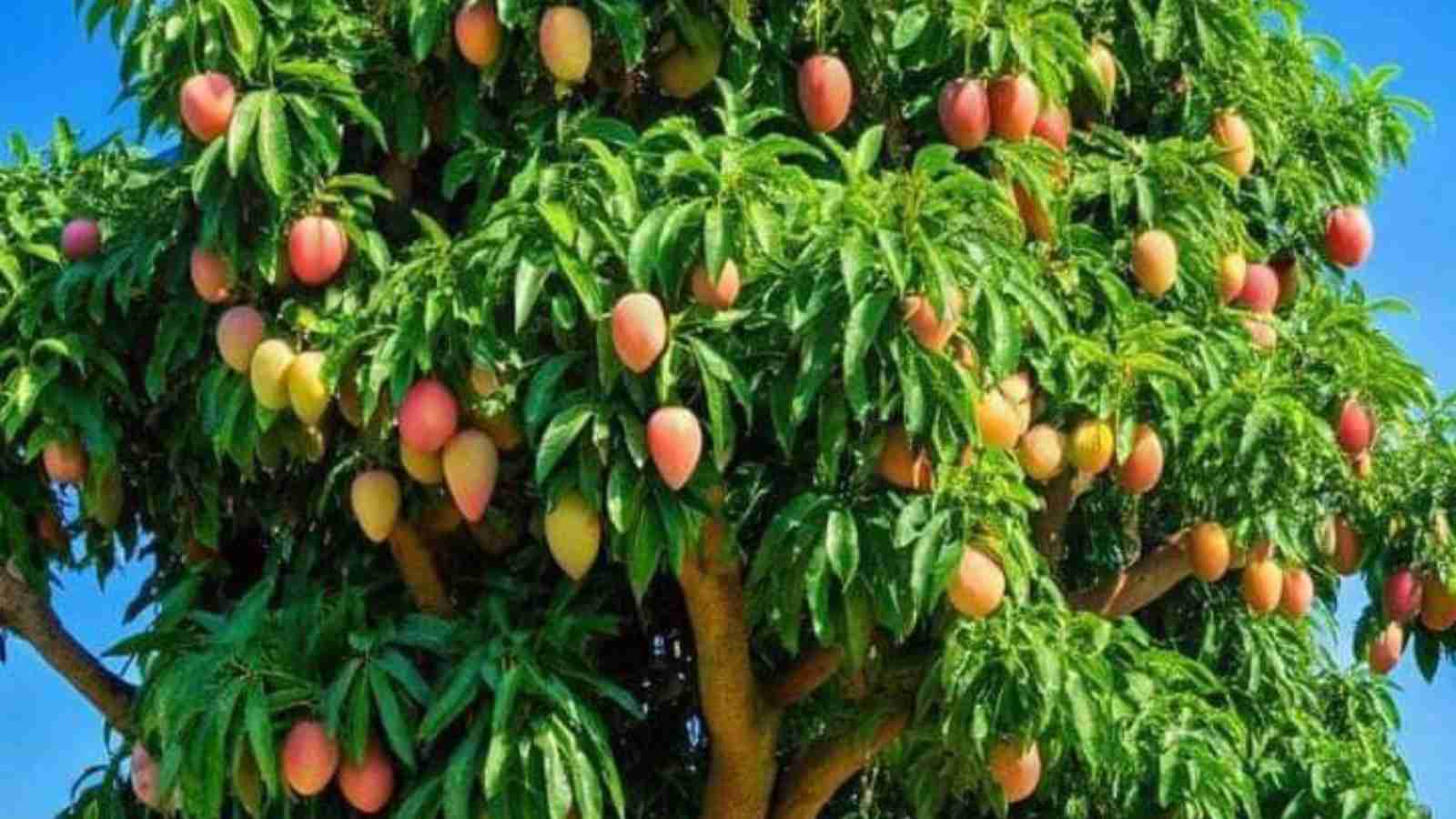

To maximize your mango tree’s yield, you need to focus on strategic branch pruning, precise nutrient balancing, and targeted watering cycles. Because mangoes grow exclusively at the terminal tips of branches, increasing the number of branch ends through “tipping” is the single most effective way to multiply your harvest. Every branch tip represents a potential cluster of flowers and fruit, so strategic pruning creates more fruiting sites. When a branch extends roughly two hand-lengths, about 20 inches, snip or snap off the terminal growth point. Forcing the tree to stop vertical growth induces it to push out three to six new side branches from that single cut, effectively multiplying your future fruit yield. Keep the middle of the canopy clear, as mangoes require full sunlight to produce the foliar carbohydrates necessary for flower bud initiation.
Nutrient balance is equally critical for a heavy harvest. While nitrogen makes a tree look lush and green, too much of it forces the tree to produce leaves instead of fruit. As the tree prepares to cycle into flowering, reduce nitrogen and switch to fertilizers rich in potassium and phosphorus, such as a 0-0-50 or 1-8-8 blend. Potassium triggers flower initiation and improves final fruit size. For mature trees over 10 years old, spraying a solution of five grams of potassium nitrate per liter of water directly onto the buds as they form can stimulate robust, early flowering. Additionally, layer six inches of well-rotted compost or manure around the base, extending to the drip line, annually to replenish secondary nutrients without overloading the soil with synthetic nitrogen.
Watering should be cycled based on the tree’s growth stages. In the weeks leading up to the flowering season, stop or drastically reduce watering. A brief period of environmental stress forces the tree out of vegetative growth and shocks it into reproductive flower initiation. Once flowers bloom and small fruits successfully set, transition immediately to heavy, consistent watering. Water daily or every few days while the mangoes expand. If the soil drops into water stress during this phase, the tree will drop its premature fruit to protect itself. This careful balance of dry and wet spells is essential for optimal fruit development.
Finally, protect flowers and fruit from pests and disease. Fungal infections are a massive contributor to fruit drop and poor yields. Spray the tree with copper fungicide or neem oil before blooms open to ward off devastating diseases like anthracnose and powdery mildew, which turn flowers black and cause them to drop. Protect maturing fruit by hanging fruit-fly traps containing methyl eugenol in the branches post-flowering to prevent pests from ruining the crop as it ripens. By following these comprehensive tips on pruning, nutrient management, watering, and pest control, you can significantly boost your mango tree’s productivity and enjoy a bountiful harvest season after season.
