

To permanently eliminate flies from your home, you need to look beyond chemical sprays and address the root causes: hidden moisture sources, exposed organic waste, and structural entry points. Because houseflies breed and multiply rapidly in warm environments, a strict sanitation routine combined with physical barriers is the most effective approach. By following these practical and actionable tips, you can keep your home free from flies without relying on harmful chemicals.
Eliminating breeding ground triggers is the first and most critical step. Flies cannot survive or multiply without access to damp, decaying organic material. Simply tying your trash bag is not enough. Food juices frequently leak to the bottom of the bin. Wash your indoor and outdoor dustbins with hot water and dish soap every single week, and ensure all bins have airtight, tightly fitting lids. Keep kitchen counters dry by wiping them down immediately after cooking using a vinegar-based cleaner made with equal parts white vinegar and water. Vinegar cuts through oily food residue and strips away the scent trails that attract flies. If you have pets, clean their litter boxes or waste immediately.
Dog and cat feces are primary attractants and prime egg-laying sites for filth flies. Implementing strategic physical barriers is equally important. Preventing flies from physically entering your living space saves you the hassle of hunting them down inside. Install magnetic mesh netting on windows and balcony doors. Magnetic mesh curtains are especially useful for kitchen doors, as they automatically snap shut behind you. Create negative airflow by positioning a standing fan or turning on your ceiling fan to medium-high speed near open doorways or dining areas. Flies are very lightweight and cannot fly effectively against strong, moving air currents.
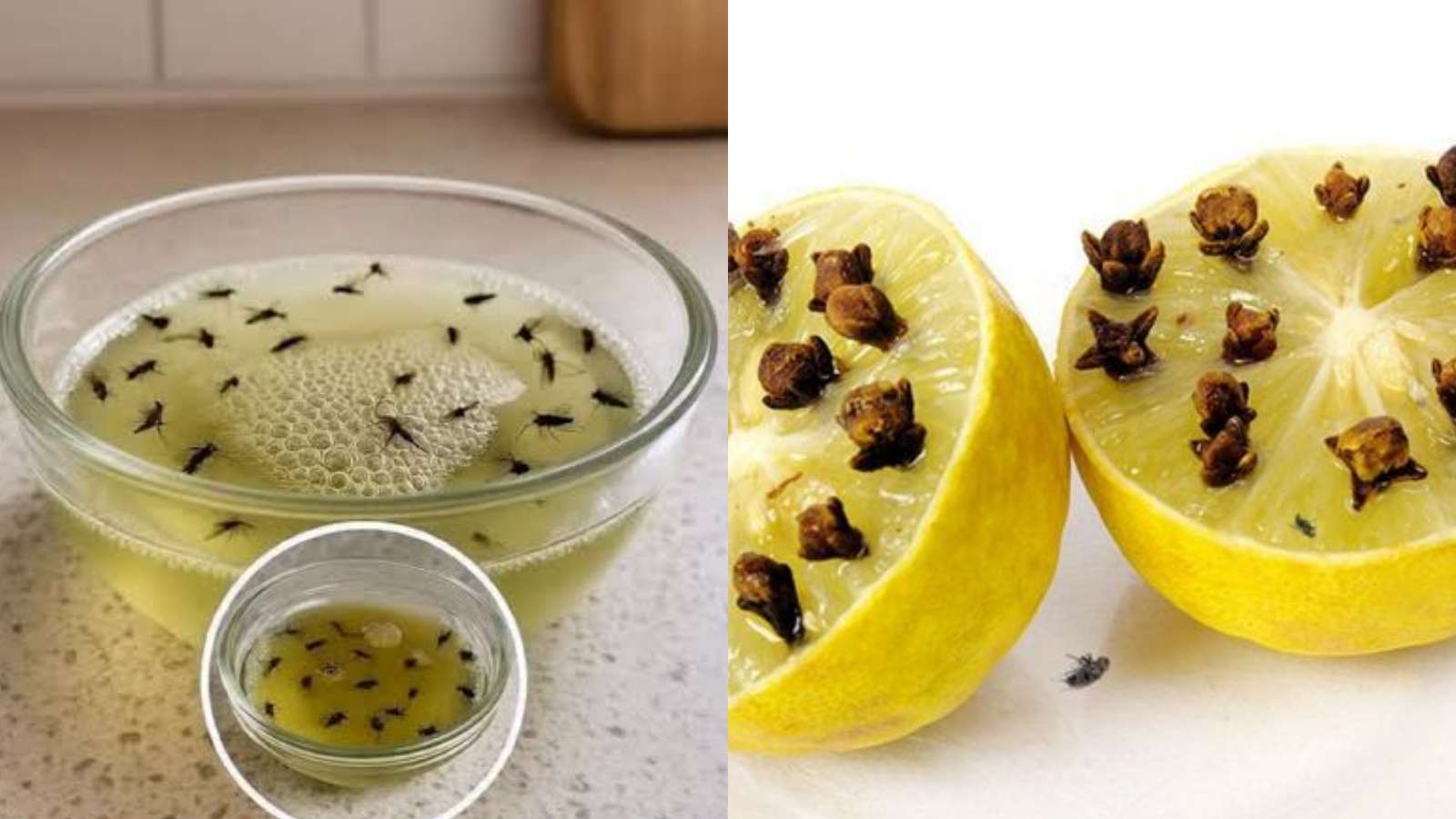
If a few flies have already made it inside, use targeted DIY traps to eliminate them quickly. The apple cider vinegar funnel trap is highly effective. Pour two inches of apple cider vinegar and a few drops of liquid dish soap into a glass jar. Roll a piece of paper into a cone shape and place it in the jar, narrow end down, without touching the liquid. The sweet, fermented smell draws the flies inside the cone, and the soap breaks the liquid’s surface tension, causing them to sink. For evenings, mount an electronic UV light trap with a glue pad variant inside dark entry corridors. Flies are naturally drawn to ultraviolet wavelengths at dusk. Finally, utilize natural scent repellents. Flies possess highly sensitive olfactory receptors and detest strong, pungent botanical oils. Add 10 to 15 drops of lemongrass, eucalyptus, or peppermint essential oil to your mopping bucket every day. The clove and lemon trick also works wonders. Cut a lemon in half and poke 10 to 15 whole cloves into the pulp. Place these halves in small bowls on your dining table or kitchen window sill. The combination of citrus and eugenol found in cloves acts as a powerful natural deterrent. By combining these sanitation, barrier, trapping, and repellent strategies, you can create a home environment that flies find impossible to inhabit.
