
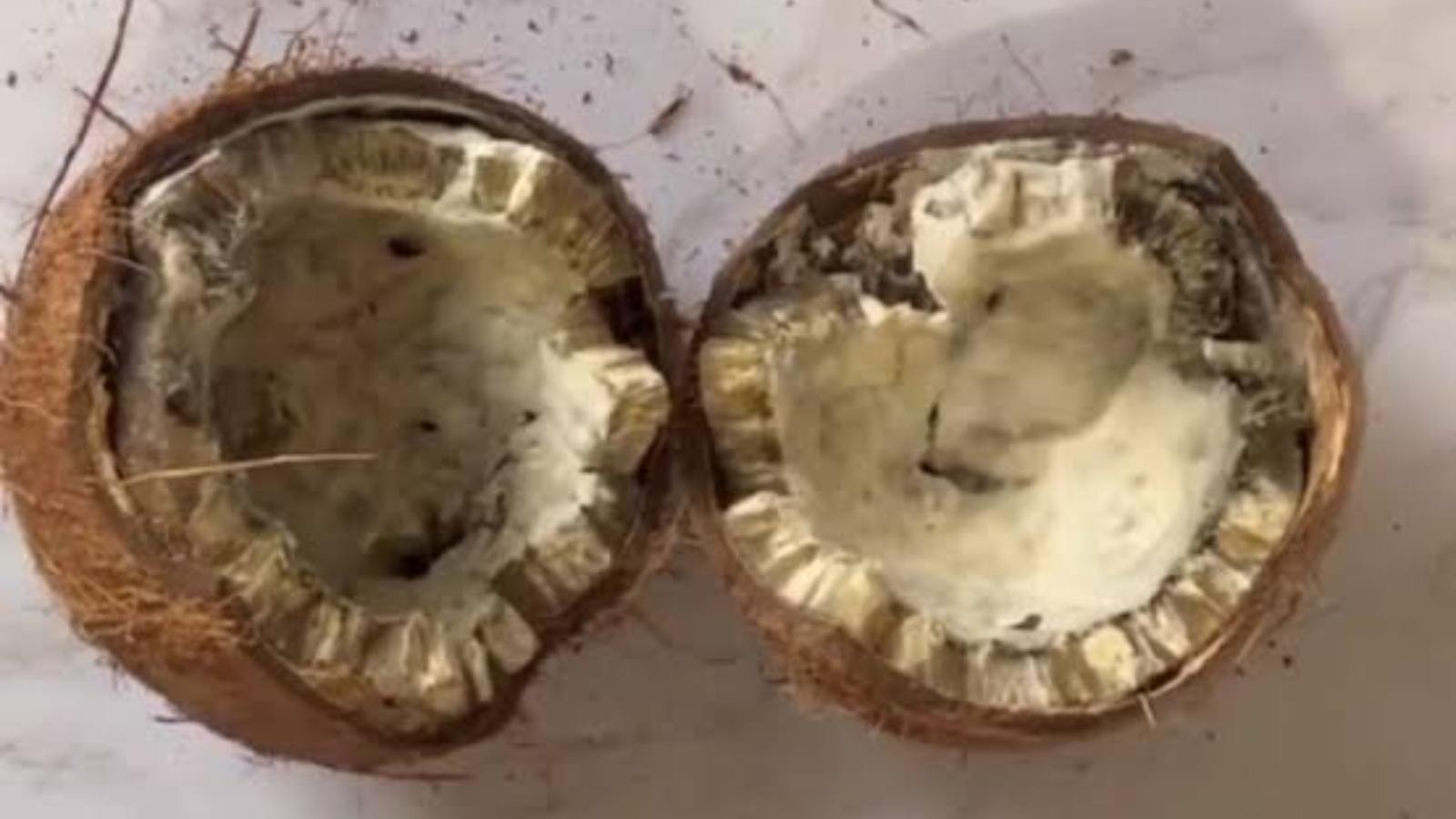

If you have old, sour, or rancid coconut that you want to repurpose instead of throwing away, you can use it for non-edible, outdoor, or craft purposes. Once a coconut has spoiled, turned rancid, or gone sour, it cannot be cured or reversed back into fresh, edible coconut. The chemical breakdown and bacterial growth cannot be undone by cooking or freezing. However, you can still make good use of it around your home and garden with these practical and eco-friendly ideas.
One of the simplest ways to repurpose spoiled coconut is through composting. Spoiled coconut flesh, water, and husks are excellent additions to your compost pile. They break down into rich organic matter, adding potassium and fiber to your soil. If the coconut is just slightly old or dried out but not completely covered in toxic black mold, you can hang the hard outer shell halves in your garden as a bird and wildlife feeder. Birds and squirrels will pick at the remaining bits of fat and fiber. Additionally, if you have the whole shell, you can scrape out the spoiled meat completely, wash it, drill a small drainage hole in the bottom, and use the hard coconut shell as a biodegradable starter pot for small plants or succulents.
If you have a whole coconut that has gone bad or started to rot, you can still extract the oil for non-edible use. Scoop out the bad coconut meat, chop it into tiny pieces, and blend it with water to make coconut milk. Strain the milk through a cheesecloth, let it ferment in a covered container for about 10 hours, and then scoop the top layer of curd into a pot. Simmer it over low-to-medium heat until the curd dries up and separates into oil. This oil will still be high in fatty acids and might have a strong scent, so do not use it for cooking or on your skin. Keep it strictly for household tasks. Expired or rancid coconut oil loses its fresh aroma and develops a stale, crayon-like smell, but it makes an excellent natural lubricant around the house. You can use it to fix squeaky door hinges or lubricate sticky kitchen drawers, sliding door tracks, and window channels.
The oil extracted from old coconuts can also be used to restore household surfaces. Rub a small amount onto dull wooden tables, chairs, or cutting boards to restore shine and add a protective layer. For rust prevention, coat outdoor metal tools in a thin layer of the oil to shield them from moisture and rust. In many cultures, standard coconut oil is used to light lamps. If your oil is rancid or extracted from spoiled fruit, filter it through a fine cloth or cotton ball to remove impurities, pour it into an outdoor oil lamp or Diya, add a cotton wick, and burn it. With these simple and creative ideas, you can give old or rancid coconut a second life while reducing waste and keeping your home and garden in top shape.
