
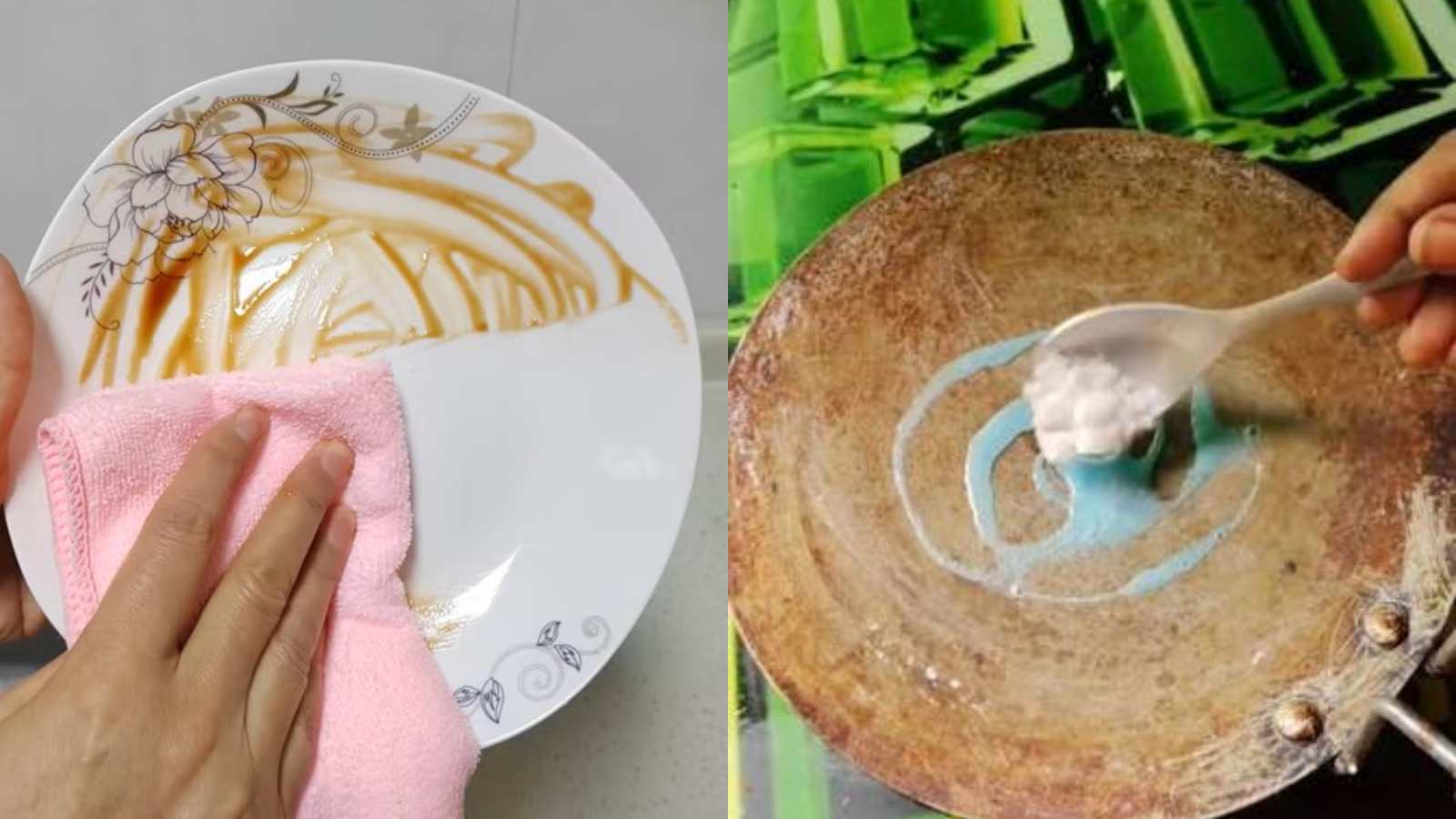

Fiber plates, often made of melamine, bamboo fiber, or composite plastics, are highly durable and lightweight, making them a popular choice for everyday dining. However, they are prone to absorbing oils and holding onto yellow turmeric or oil stains if cleaned incorrectly. Soaking them in a warm water solution mixed with dish soap and white vinegar is the most effective way to lift grease and stubborn food stains without scratching or warping the material. This simple approach keeps your plates looking fresh and hygienic while preserving their glossy finish. Watch Video
For everyday grease and odours, the vinegar and soap soak is your best option. Fill a sink or tub with warm water, but not boiling, as extreme heat can warp or crack fiber. Add a generous squeeze of liquid dish soap and one cup of white vinegar. Submerge the dirty fiber plates completely and let them soak for 15 to 20 minutes. The vinegar breaks down the stubborn oil bonds and completely neutralizes food odours like fish or onions. After soaking, wipe them down using a soft microfiber cloth or a non-scratch sponge, then rinse thoroughly with clean water. This method is gentle yet effective, ensuring your plates remain in excellent condition.
For yellow turmeric and curry stains that fiber plates easily absorb, a baking soda paste works wonders. Mix two tablespoons of baking soda with a little water to form a thick, damp paste. Spread the paste directly over the stained areas of the plate and let it sit for 10 to 15 minutes to draw out the embedded pigment. Then use a damp, soft sponge to rub the paste in gentle, circular motions. Baking soda is a very mild abrasive, so it lifts the stain without scratching the glossy finish of the plate. Rinse well after scrubbing. For restoring dull, discoloured white or light-coloured fiber plates, squeeze fresh lemon juice directly onto the plate and rub it all over the surface with the lemon rind. Place the wet plates out in direct sunlight for one to two hours. The combination of citric acid and natural UV rays acts as a safe, natural bleaching agent that brightens the plates. Wash normally afterward.
There are some golden rules to follow when caring for fiber plates. Strictly avoid steel wool or wire scrubs, as fiber material scratches easily. Wire scrubs will strip away the protective top glaze, creating micro-grooves that trap bacteria, oils, and future stains permanently. Additionally, never microwave fiber or melamine plates unless they are explicitly labeled microwave-safe. Heating them can cause them to dry out, blister, crack, or release chemicals into your food. By following these simple cleaning methods and care tips, you can keep your fiber plates looking new and extend their lifespan for years to come.
