
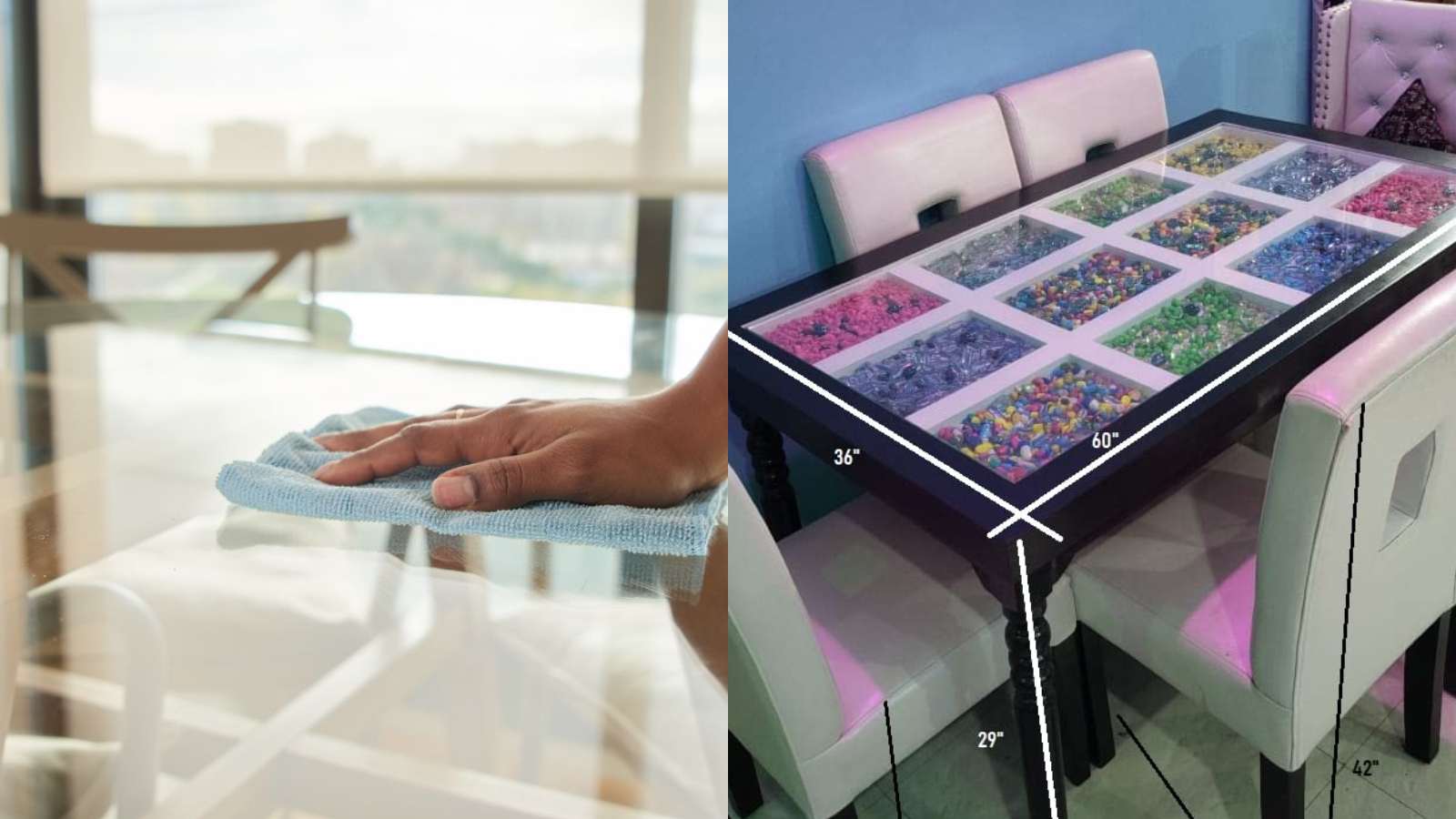

Glass dining tables add elegance to any home, but they are prone to scratches, stains, and smudges that can dull their shine over time. Applying a transparent protective sheet is one of the best ways to preserve the beauty of your glass table while making it easier to clean and maintain. However, sticking the sheet smoothly without air bubbles or wrinkles can be tricky if you don’t know the right technique. The wet-application method is the secret to achieving a flawless, bubble-free finish that looks professional and lasts for years.
The process begins with thorough preparation. Mix a few drops of liquid dish soap with water in a spray bottle and generously spray the clean glass surface. This soapy water acts as a lubricant, stopping the sheet from sticking instantly and allowing you to reposition it as needed. As you peel the backing off the transparent film, spray the sticky side with the soapy water too. This prevents the sheet from folding and sticking to itself, which can ruin the application. Once the sheet is laid on the wet glass, use a plastic squeegee, a plastic card wrapped in a soft microfiber cloth, or a window wiper to scrape the water and air bubbles out from the center toward the edges. Work patiently and methodically to ensure all trapped air and excess water are removed.
After the sheet is smoothly applied, use a brand-new, sharp utility blade to trim the excess edges along the table rim. A dull blade will pull and tear the plastic sheet, ruining the clean finish. If the corners or edges are curling up, use a hairdryer on a low-heat setting to gently warm the plastic and press it down with a cloth to secure the bond. This simple trick ensures the sheet stays in place and maintains a tight seal around the edges, protecting your table from spills, scratches, and daily wear.
Once your glass table is protected, keeping it spotless is easy with a few smart cleaning habits. For smudges and fingerprints, mix equal parts white vinegar and water in a spray bottle. This natural solution cuts through tough grease, food splatters, and fingerprints without leaving foggy residues. Avoid paper towels, which leave lint and dust particles behind. Instead, use a lint-free microfiber cloth and wipe in a Z-pattern to prevent streaks. For a streak-free, mirror-like shine, crumple up a sheet of black-and-white newspaper, mist the glass lightly with water, and buff the surface in circular motions. If your glass has fine scratches, rub a small amount of non-gel toothpaste or a thick paste of baking soda and water over the scratch in a circular motion, then wipe it clean. With these simple techniques, your glass table will remain protected, shiny, and looking as good as new for years to come.
