
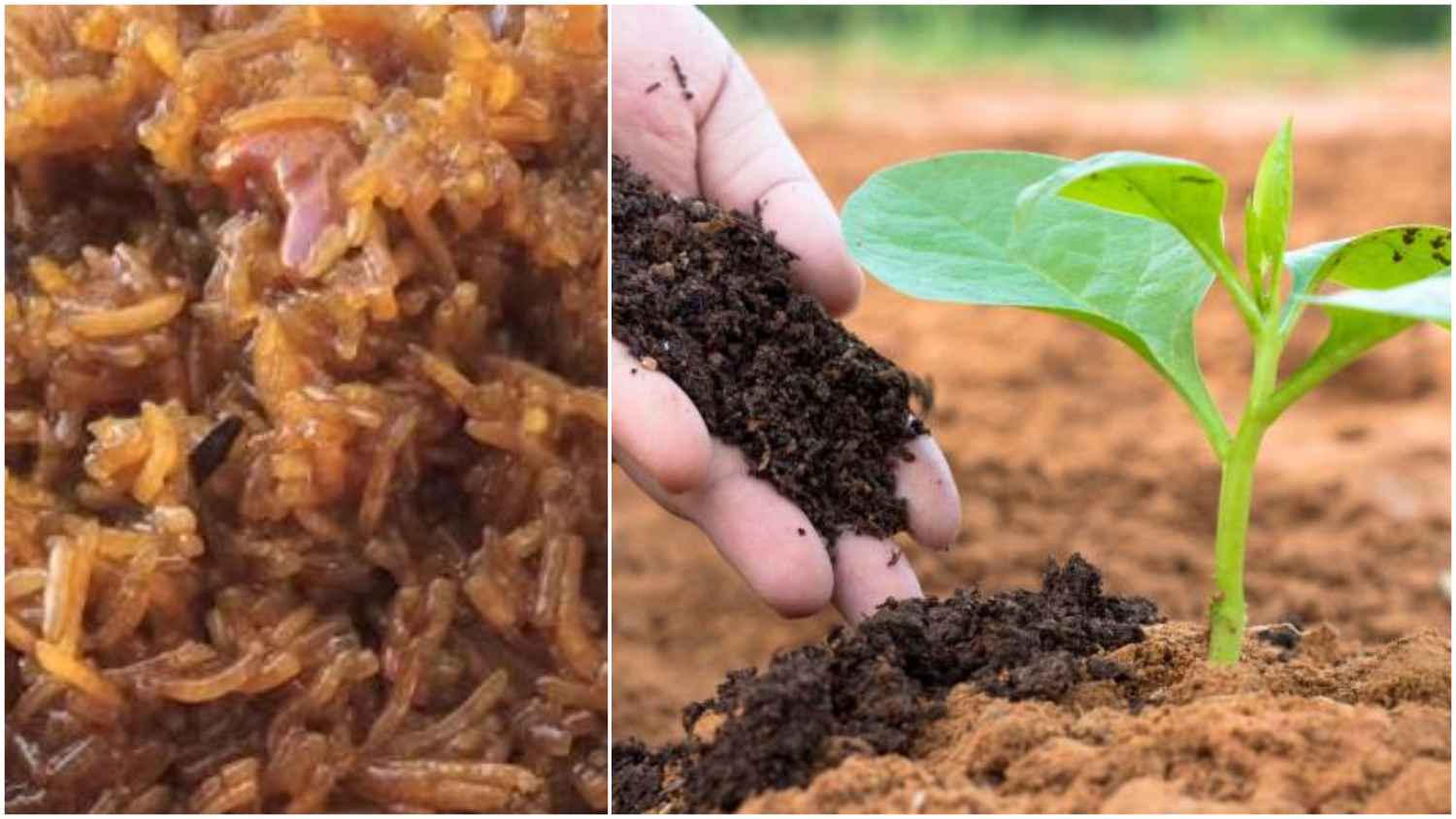

Using boiled rice and jaggery is a fantastic, highly efficient alternative to cow dung for organic farming. This method is used to cultivate Indigenous Microorganisms (IMO) or a localized liquid bio-fertilizer. Instead of introducing nutrients from animal waste, this combination captures, multiplies, and activates the beneficial native microbes already present in your local air and soil, turning regular compost or water into a powerhouse nutrient solution. It is a simple, low-cost technique that any home gardener can implement with ingredients already sitting in their kitchen.
The system works because of a perfect partnership between the two ingredients. Boiled rice acts as a complex carbohydrate and starch base that attracts and hosts wild, beneficial soil microbes, functioning as both a trap and a house for fungi and bacteria. Jaggery, meanwhile, provides simple sugars that act as an instant energy food source to rapidly multiply those microbes while preserving the solution through fermentation. Together, they create an environment where native microorganisms can thrive and multiply exponentially, giving you a concentrated microbial booster that can transform the health of your garden soil.
The process begins with capturing the microbes through a rice culture. Cook a small portion of white or brown rice, leaving it slightly dry rather than mushy, and let it cool completely. Place the cooked rice into a small plastic container, wooden box, or clay pot, leaving some air space at the top. Cover the container with a breathable paper towel, cotton cloth, or tissue paper secured tightly with a rubber band to keep pests out while letting air flow. Bury the container slightly or place it under the shade of a healthy tree, bamboo bush, or near decomposing leaf litter in your garden, then cover it with dry leaves. Leave it undisturbed for 3 to 4 days—when you open it, you should see a healthy layer of white, fuzzy microbial mold forming on top of the rice. If it looks completely black or smells horribly rotten, discard it and try again in a different shaded spot. Once you have your microbial rice, weigh it and mix it with an equal weight of crushed jaggery in a 1:1 ratio. Mash the rice and jaggery together using a wooden spoon or gloved hands until it forms a thick, dark, syrupy paste, then transfer this paste into a clean glass or plastic jar. Cover it with a cloth or loose lid to allow fermentation gases to escape safely, and store the jar in a dark, cool corner inside your house for 7 days. During this week, the jaggery will completely ferment the rice, breaking it down into an enzyme-rich liquid juice known as Liquid IMO.
This fermented solution is a concentrated microbial booster, so it must always be diluted heavily before application to prevent root burn. For a soil drench that promotes root growth, mix 2 tablespoons (20 ml) of the fermented liquid into 10 liters of plain, chlorine-free water—well water or rainwater is best—and pour this mixture around the base of your plants once every two weeks to fix soil structure and unlock locked-up nutrients. For a foliar spray that acts as a pest shield and leaf shine, mix 1 tablespoon (10 ml) into 10 liters of water, strain it through a fine cloth, and spray it directly onto the plant leaves early in the morning or after sunset. The beneficial microbes coat the leaves, preventing harmful fungal pathogens from taking hold. Two pro-tips will ensure maximum success: a successful fermentation should smell sweet, fruity, and slightly alcoholic like wine or molasses—it should never smell foul or putrid. And never use chlorinated tap water directly from the pipe, as chlorine kills the exact beneficial microorganisms you just spent a week breeding. If using tap water, let it sit uncovered in a bucket for 24 hours to let the chlorine gas evaporate before mixing your fertilizer.
