
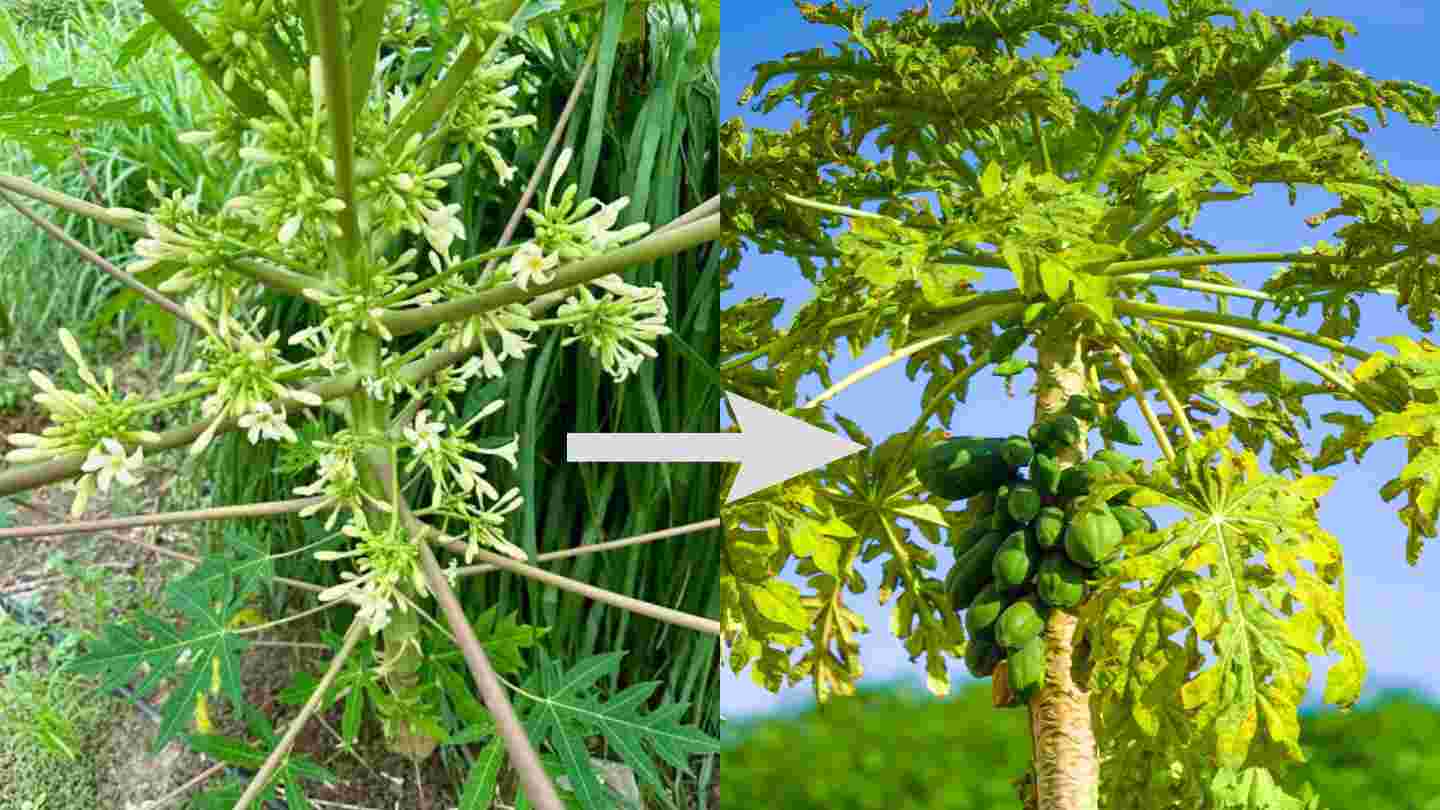

Wedge grafting is an effective botanical hack to convert a non-bearing male papaya tree into a high-yielding producer. Rather than cutting down a male tree that refuses to fruit, you use its established, robust root system to power a fruit-bearing variety, giving you a productive tree far faster than starting from seed. The process involves joining a scion—a healthy branch from a known hermaphrodite or female tree—to a male rootstock, and with careful technique, new leaf growth should appear within three to four weeks.
The grafting procedure requires precision at every step. First, prepare the rootstock by cutting the trunk of the young male papaya tree horizontally, roughly one to two feet above the ground, then cleanly split the center of the remaining stump vertically down about 1.5 to 2 inches to create a receiving slot. Next, source the scion by cutting a healthy, active top shoot from a mature, known bisexual or female papaya tree that produces high-quality fruit—ideally, the diameter of the scion should match the diameter of the male rootstock trunk. Whittle the base of the scion into a smooth, sharp V or wedge shape using a sterilized grafting knife, then insert it firmly into the vertical slit of the male rootstock. Ensure the cambium layer—the green inner bark—of both pieces lines up perfectly on at least one side to allow nutrient flow. Finally, wrap the graft joint tightly with grafting tape to secure the connection and seal out moisture, and cover the entire scion loosely with a transparent plastic bag to retain humidity and prevent it from drying out until the graft heals.
Once the transformed tree begins yielding, the harvested fruit offers substantial therapeutic benefits for the body, beginning with digestive optimization. Papaya contains a highly potent, naturally occurring proteolytic enzyme called papain, which actively breaks down tough protein chains into easily absorbable amino acids, significantly reducing symptoms of bloating, acid reflux, and chronic constipation. The fruit is also metabolic and diabetic-friendly: ripe papaya has a low-to-moderate glycemic index rating of approximately 55, and because it is packed with dietary fiber and has a low glycemic load of around 4.5, its natural sugars release slowly into the bloodstream, preventing sharp spikes in insulin and making it an excellent dessert alternative for individuals managing Type-2 diabetes.
Beyond digestion and blood sugar control, papaya offers cellular and vision protection through its rich antioxidant profile. Carotenoids like beta-carotene act as provitamin A—once consumed, the body converts them into active vitamin A, which preserves retinal health and prevents macular degeneration. Xanthophylls such as lycopene and cryptoxanthin are powerful antioxidants that neutralize destructive free radicals in the body, systematically lowering systemic inflammation and offering long-term cardiovascular protection. Combined with the practical ingenuity of wedge grafting, which turns a wasted male tree into a productive fruit source, papaya emerges as one of the most rewarding plants a home gardener can cultivate—nutritious, delicious, and surprisingly easy to transform with a single well-executed graft.
