
Mango Tree Care During Early Flowering: Fertilizer, Water, and Pest Protection Tips for a Healthy Harvest

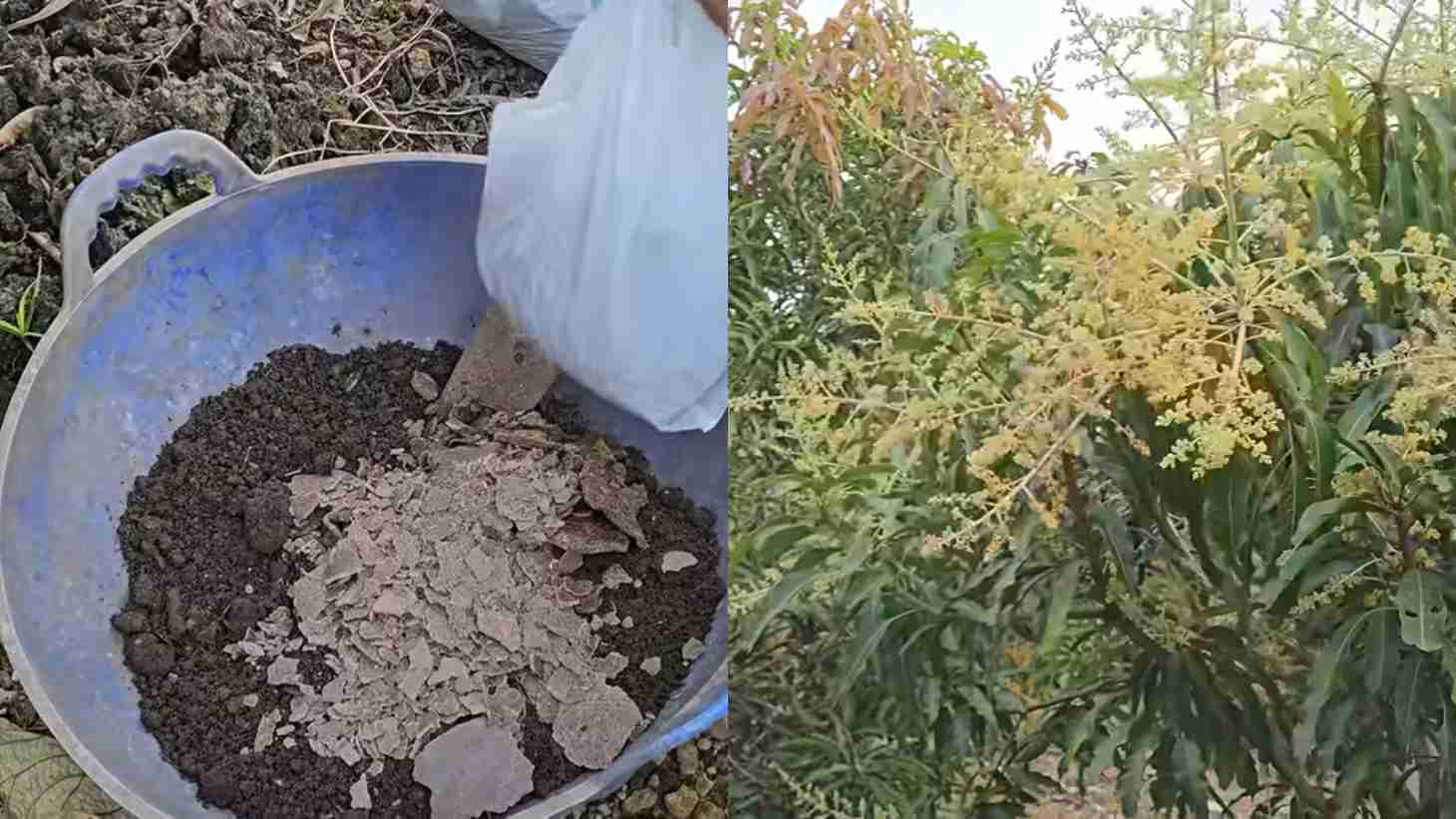
To ensure your mango tree successfully transitions from early flowering into a healthy fruit harvest, you need a precise care strategy. Early flowering in December requires specific nutritional shifts, environmental awareness, and proactive pest defense. When a mango tree begins blooming, its nutritional requirements shift entirely from leaf production to flower and fruit development, so the first and most critical step is to stop applying high-nitrogen fertilizers immediately—nitrogen forces the tree to drop its blossoms and sprout new leaves instead.
In December, apply organic potassium (potash) and bone meal around the root zone; potassium strengthens the flower stalks and prevents premature blossom drop, while the phosphorus in bone meal ensures strong root support and fruit setting. Once the flower panicles open fully, spray the foliage and flowers with a diluted boron and chelated zinc micronutrient solution—boron is critical for effective pollination and directly reduces the fruit-drop rate in early stages. Additionally, drench the soil around the base of the tree with Jeevamrutham once every two weeks to boost the availability of locked-up soil nutrients.
Early blooming in December—especially in tropical regions like Kerala—is driven by a combination of climate triggers and tree stress management. Mango trees require a distinct period of dry, cool weather to trigger flower buds rather than leaf buds, and a drop in night temperatures combined with a lack of rainfall in late autumn signals the tree to enter its reproductive phase. High sunlight exposure and controlled water stress in October and November naturally shock the tree into early winter flowering, while a high ratio of carbohydrates to nitrogen within the older branches forces the accumulation of flowering hormones (florigen), resulting in early December panicles.
Protection bagging is a brilliant organic technique to safeguard developing fruit buds from pests like fruit flies, monkeys, and heavy unseasonal rains, and the preparation begins strictly in October. Before any flower buds emerge, thin out dense, overlapping branches in the center of the tree to ensure maximum sunlight penetration and airflow, and remove any diseased leaves or old twigs that could harbor fungal spores like anthracnose. Apply a thorough spray of neem oil emulsion—5–7 ml neem oil mixed with 4–5 ml liquid dish soap per litre of water—across the branches in mid-October to eradicate hidden mealybug clusters, scale insects, and thrips before they can crawl onto new flower panicles. Prepare your bagging inventory in October as well, sourcing breathable non-woven fabric bags or specialized two-layer paper bags for small backyard trees, and avoid plain plastic bags, which trap humidity and rot the delicate hidden stems.
Water management during flowering is equally important. Cut back on watering your mango tree by 50% during October and November to encourage flower bud initiation. Once you see the flower panicles actively growing in December, keep the soil lightly moist but never waterlogged—over-watering during active bloom will cause the flowers to damp off and shed prematurely. By combining the right fertilizer regimen, understanding the climatic triggers behind early blooming, preparing protection bags in October, and following strict water management rules, you can give your mango tree exactly what it needs to hold onto its blooms and deliver a bountiful harvest in the months ahead.
