
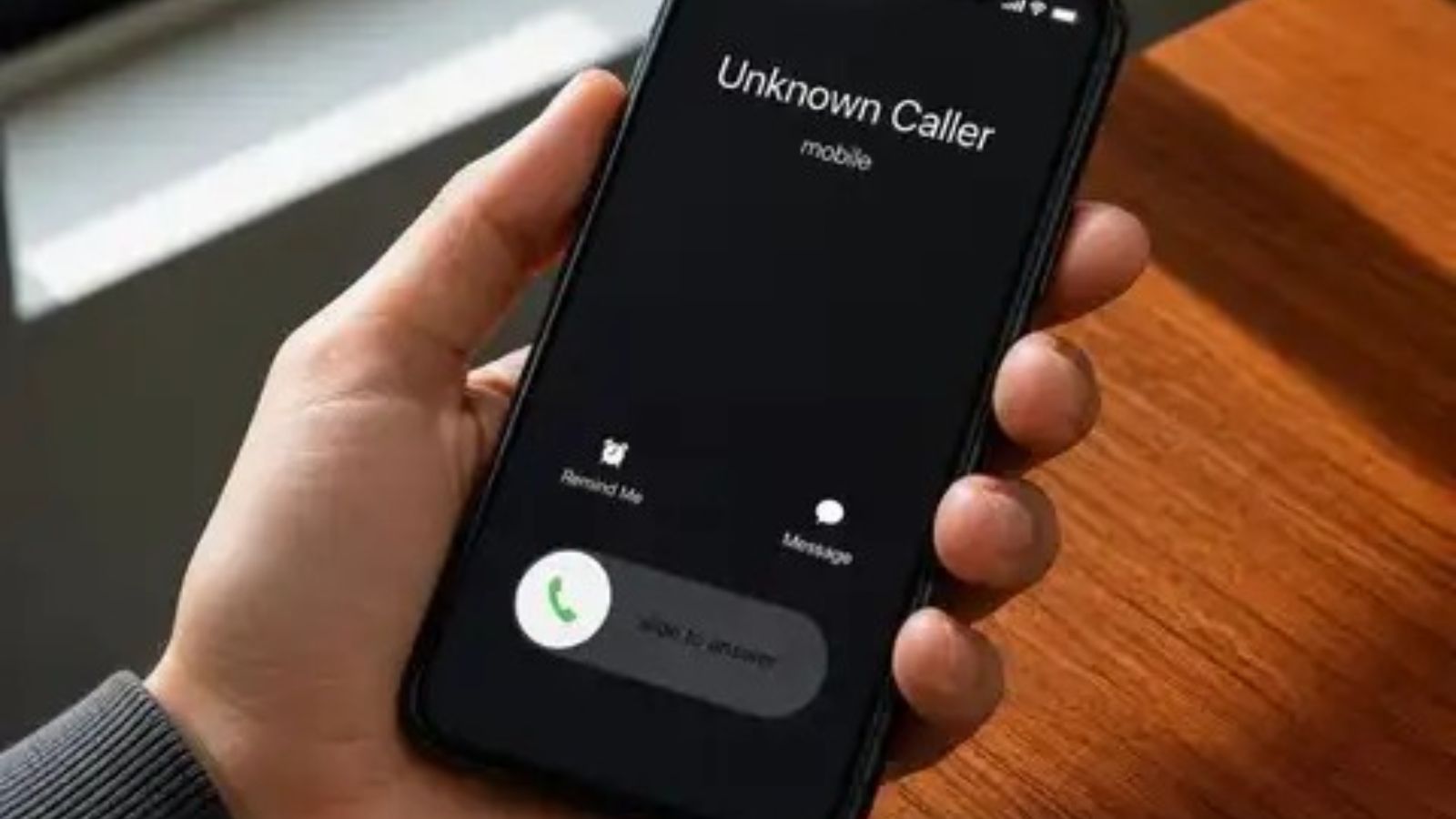

The Government of India is introducing a major update that will fundamentally change how you receive mobile calls. The Department of Telecommunications (DoT) has directed all telecom operators to implement a mandatory, default caller ID system called Calling Name Presentation (CNAP) starting November 1, 2026. Under this new system, when you receive a call from any unknown number, your phone screen will display the caller’s officially registered name alongside their phone number by default—without requiring any third-party apps or active internet.
How the feature works is rooted in accuracy and verification. Unlike third-party apps like Truecaller that rely on crowdsourced or user-submitted contact books, CNAP pulls the caller’s name directly from the official telecom operator’s subscriber database. The name shown is the exact legal name provided during the SIM card’s KYC registration process. The feature will be enabled automatically for all users on 4G and 5G networks, while older 2G and 3G networks will be evaluated separately later. Importantly, saved contacts take priority—if you already have a number saved under a specific nickname, your saved contact name will continue to display normally. Unsaved overseas numbers will simply be labelled as “International Call,” and eligible businesses can display their official brand name, provided it matches their registered GST or trademark documentation.
This network-level rollout provides crucial security and convenience benefits. CNAP helps combat scams and fraud by exposing phone fraud, banking scams, and malicious impersonation tactics (like fake “digital arrests”) before you pick up. It reduces spam calls by allowing you to instantly distinguish telemarketers and robocalls from genuine, important calls, and supports informed decision-making so you can safely ignore suspicious numbers while ensuring you don’t miss important calls from unknown delivery agents, banks, or couriers. Since it works directly through cellular signals (GSM/LTE/5G), it consumes no background internet data and works natively on basic smartphones.
The system also includes enhanced privacy safeguards. CNAP uses a secure “security-by-design” query method, and operators are legally restricted from saving or retaining the caller’s identity log after the call ends. Individuals who have activated Calling Line Identification Restriction (CLIR) are also exempt from the system. With its combination of KYC-verified accuracy, network-level convenience, and strong privacy protections, CNAP represents a significant step forward in making India’s mobile communications safer and more transparent for everyday users.
