
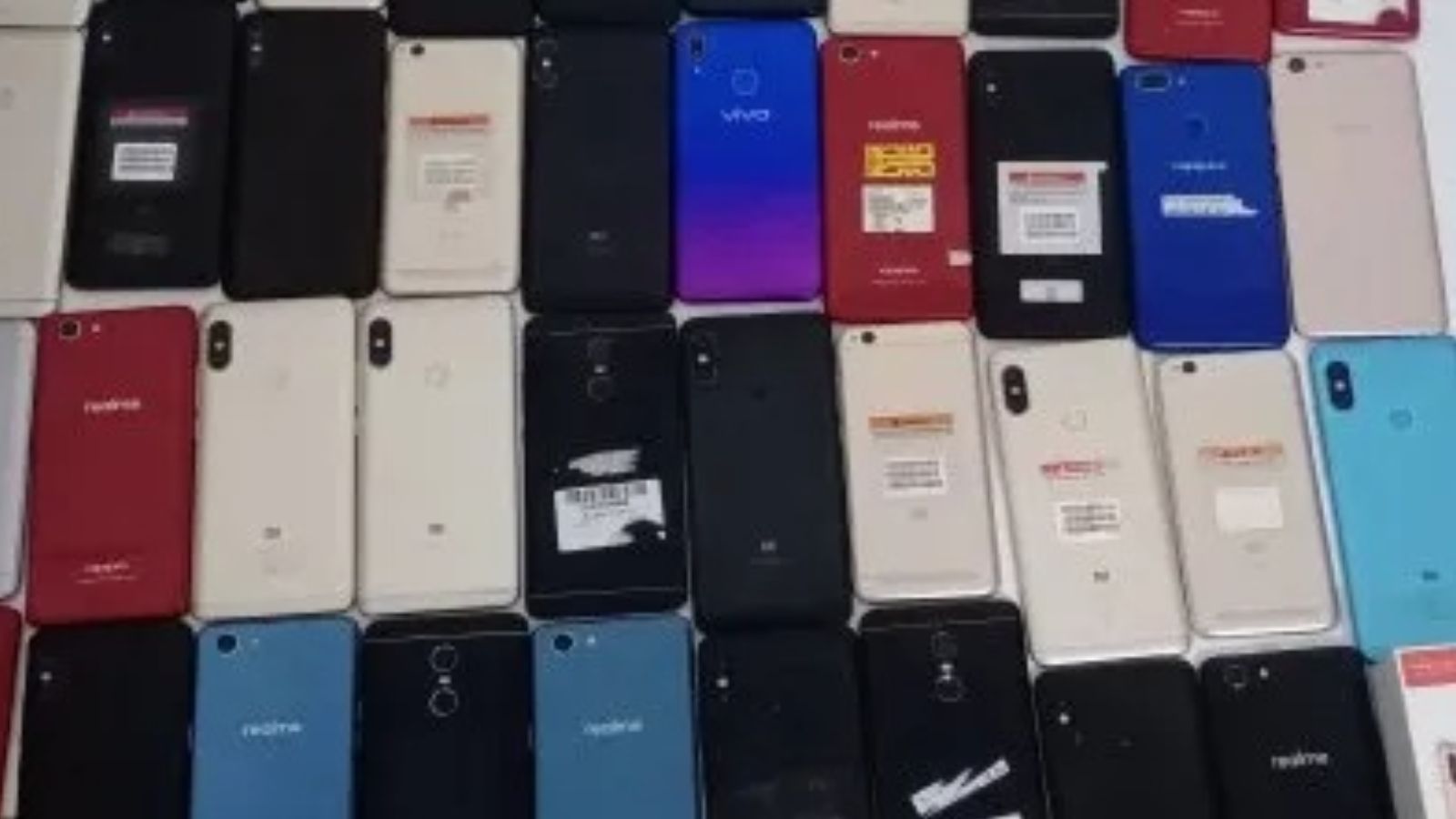

Thoroughly testing a used mobile phone before paying is essential to avoid buying a device with hidden hardware defects, network blocks, or a degraded battery. Buying a used phone is an excellent way to save money and reduce electronic waste, but it requires careful evaluation to avoid hidden defects or legal trouble. Before handing over any money, thoroughly inspect the phone’s physical condition under good lighting. Check the charging port, Wi-Fi connectivity, cameras, and physical buttons. പുതിയ മൊബൈൽ ഫോണുകൾക്ക് പകുതി വില : വീഡിയോ കാണാം ക്ലിക്ക്
Insert your own SIM card to test speaker and microphone functionality, and bring a power bank and cable to ensure the charging port works properly. You should also download hardware diagnostic apps like Phone Doctor Plus, Phone Check and Test, or CPU X to automatically scan the internal components for faults.The IMEI and legality check is one of the most important steps. Always verify that the phone is not stolen, blacklisted, or network-locked. Dial *#06# on the device to find its unique IMEI number and cross-reference it with an online IMEI database, the retail box, and the original purchase invoice. A mismatch between these numbers is a major red flag. Additionally, confirm that the previous owner has completely signed out of their iCloud or Google accounts and factory reset the device so you are not permanently locked out. If the phone is factory reset but still asks for the previous owner’s password during setup, it is completely unusable.
Battery health is another crucial factor. Check the maximum capacity in the phone’s settings. Aim for a battery health of 80 percent or higher. Anything lower will likely require an immediate, costly replacement. Test the screen brightness, look closely for permanent screen burn-in, and drag an app icon across every corner of the screen to ensure there are no dead touch zones. Inspect the display and touch integrity thoroughly, as screen repairs can be expensive.
Keep the phone’s age in mind and try to avoid devices that are more than three years old. Older devices may stop receiving critical security updates and operating system patches, leaving you vulnerable to bugs or unable to download newer applications. If you want to eliminate the risk of buying from individual strangers, consider choosing a certified refurbished phone from a reputable commercial seller. While slightly more expensive than casual secondhand listings, refurbished devices are professionally tested, cleaned, and usually come with a limited warranty or return policy. By following this checklist, you can buy a used phone with confidence and avoid costly mistakes.
