
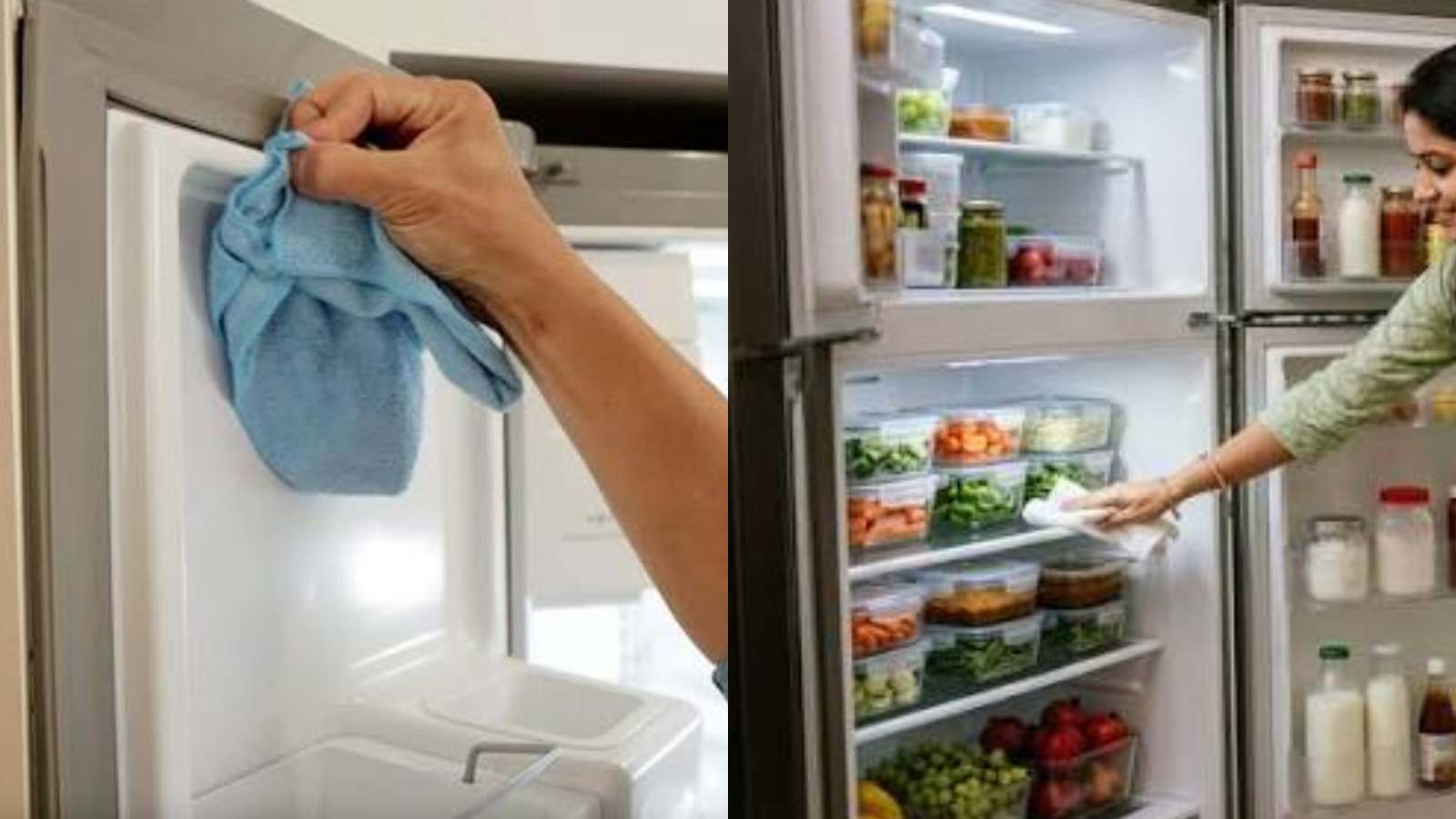

Keeping your refrigerator clean is essential for food safety and kitchen hygiene, and you don’t need harsh chemicals to get the job done. A simple mixture of white vinegar and warm water is the safest and most effective natural way to remove mold, dirt, and sticky residue from the rubber gaskets without damaging the seal. To clean the door sides, mix equal parts warm water and white vinegar in a bowl or spray bottle, then spray or wipe the mixture along the sides of the door and inside the folds of the rubber gasket. Watch Video
Use an old, soft-bristled toothbrush to gently scrub stubborn crevices and dislodge trapped crumbs, mold, or spills. Wipe clean with a damp microfiber cloth and dry completely with a clean towel, as trapped moisture causes mold to grow back quickly. For long-term maintenance, apply a thin layer of Vaseline or mineral oil to the clean rubber gasket once it is dry to keep the rubber pliable and maintain a tight, energy-efficient seal. Avoid harsh chemicals like bleach, dish soap, or abrasive cleaners on the rubber seal, as they can cause it to dry out, crack, and fail over time. To check if your seal needs replacing, close the door on a currency note; if the note slides out easily, the seal is loose and may need to be replaced.
For the interior, a solution of two tablespoons of baking soda and one quart of warm water is the best way to clean a refrigerator because it removes stains and neutralizes odors without leaving a chemical scent behind. Start by emptying the fridge and placing perishables in a cooler with ice packs. Remove all shelves, drawers, and wire racks, letting them warm to room temperature before washing to prevent cold glass from cracking. Scrub them in the sink with warm water and mild dish soap, then set them aside to air dry. Wipe down the ceiling, walls, and floor of the fridge with a microfiber cloth dipped in the baking soda solution, working from top to bottom. For stubborn stains, press a warm, wet cloth against dried-on spills for a few minutes to soften them before wiping away. Avoid abrasive scouring pads that can scratch plastic surfaces.
Once the interior is dry, slide the shelves and bins back into place and return the food items, wiping down the bottom of sticky jars before putting them back. For natural odor control, place an open box of baking soda on a middle shelf to continuously absorb strong food odors, replacing it every three months. For lingering, stubborn smells, put a small bowl of dry, used coffee grounds in the back of the fridge for 24 hours. These simple, eco-friendly methods will keep your refrigerator fresh, hygienic, and running efficiently without exposing your family to harsh chemicals.
