

Yes, all three of these plants are highly auspicious according to Vastu Shastra and traditional Indian culture for attracting wealth, prosperity, and positive energy. However, each plant carries distinct spiritual properties and requires specific direction placement to unlock its financial benefits. By understanding the unique qualities of each plant and following the core Vastu rules for planting, you can create a harmonious environment that invites abundance and good fortune into your home.
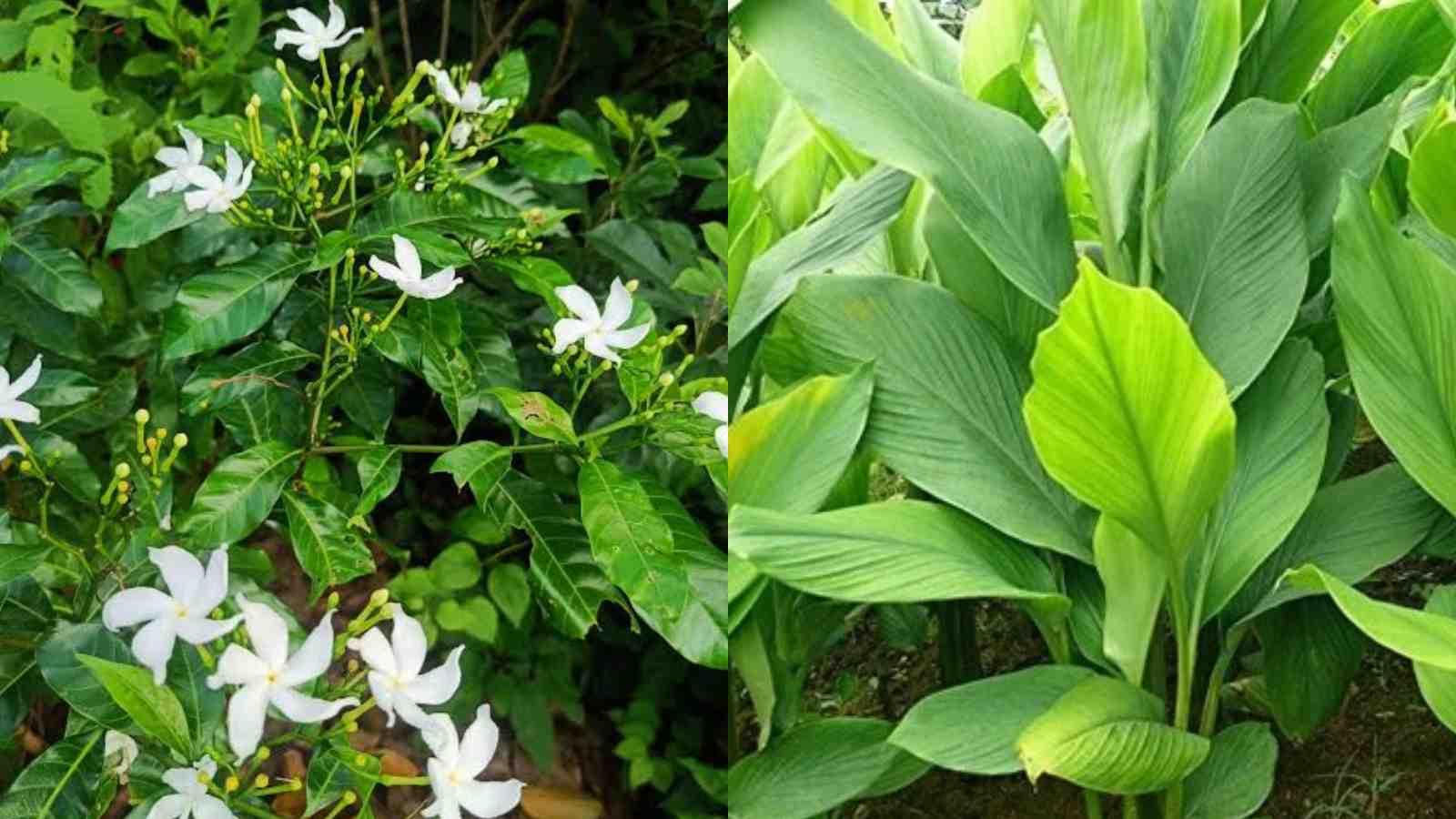
The Turmeric plant, known as Haldi, is intimately linked with Goddess Lakshmi, the goddess of wealth, and Lord Brihaspati, the planet Jupiter, which rules fortune, abundance, and intellect. Growing it at home aligns your space with prosperous vibrations and removes negative energetic blocks. The best Vastu direction for the turmeric plant is the Southeast corner of your home or garden, which is the traditional zone for wealth and fire. Alternatively, placing it in the North or East attracts financial growth and mental peace. Keeping a healthy turmeric plant resolves financial issues and strengthens weak planetary alignments related to wealth. Burying a dry turmeric root near the plant or under a nearby Tulsi container is believed to continuously magnetize prosperity.
Crepe Jasmine, commonly known as Nandyarvattam or Pinwheel Jasmine, features pure white, swirl-like blooms. In Vastu, white fragrant flowers are strong channels for pure, positive energy and tranquility, which lay the mental and environmental groundwork for abundance. Plant it in the North, East, or Northeast direction of your home garden or balcony. The Northeast corner is ruled by the water element and represents new opportunities. The pure white flowers of the Crepe Jasmine in this quadrant clear out stagnant air, inviting clarity, good fortune, and professional growth into the household. The Little Tree Plant, known famously as Mukkutti in Kerala, is Biophytum sensitivum, a highly revered plant celebrated as one of the Dasapushpam, the Ten Sacred Flowers. Its unique, palm-tree-like miniature structure and yellow flowers possess profound spiritual and medicinal values. Place this sacred plant in the Northeast corner of your courtyard or compound garden. Culturally, Mukkutti is deeply tied to the welcome rituals of Lord Mahabali and Goddess Lakshmi. Keeping a patch of this sacred herb inside your home perimeter protects the household from evil spirits and acts as a traditional energetic anchor to draw auspiciousness, health, and ancestral blessings.
To make sure these plants actively draw financial luck rather than draining energy, keep these guidelines in mind. Never let these plants dry out or wither, as dying plants cause Vastu Dosha, an energy imbalance. Regularly prune dead leaves. Keep the surrounding ground or pots impeccably clean and free of clutter. Ensure they receive adequate gentle morning sunlight, especially when kept in the East or Northeast. By following these simple yet powerful Vastu principles, you can create a thriving garden that not only beautifies your home but also attracts wealth, prosperity, and positive energy for you and your family.
