
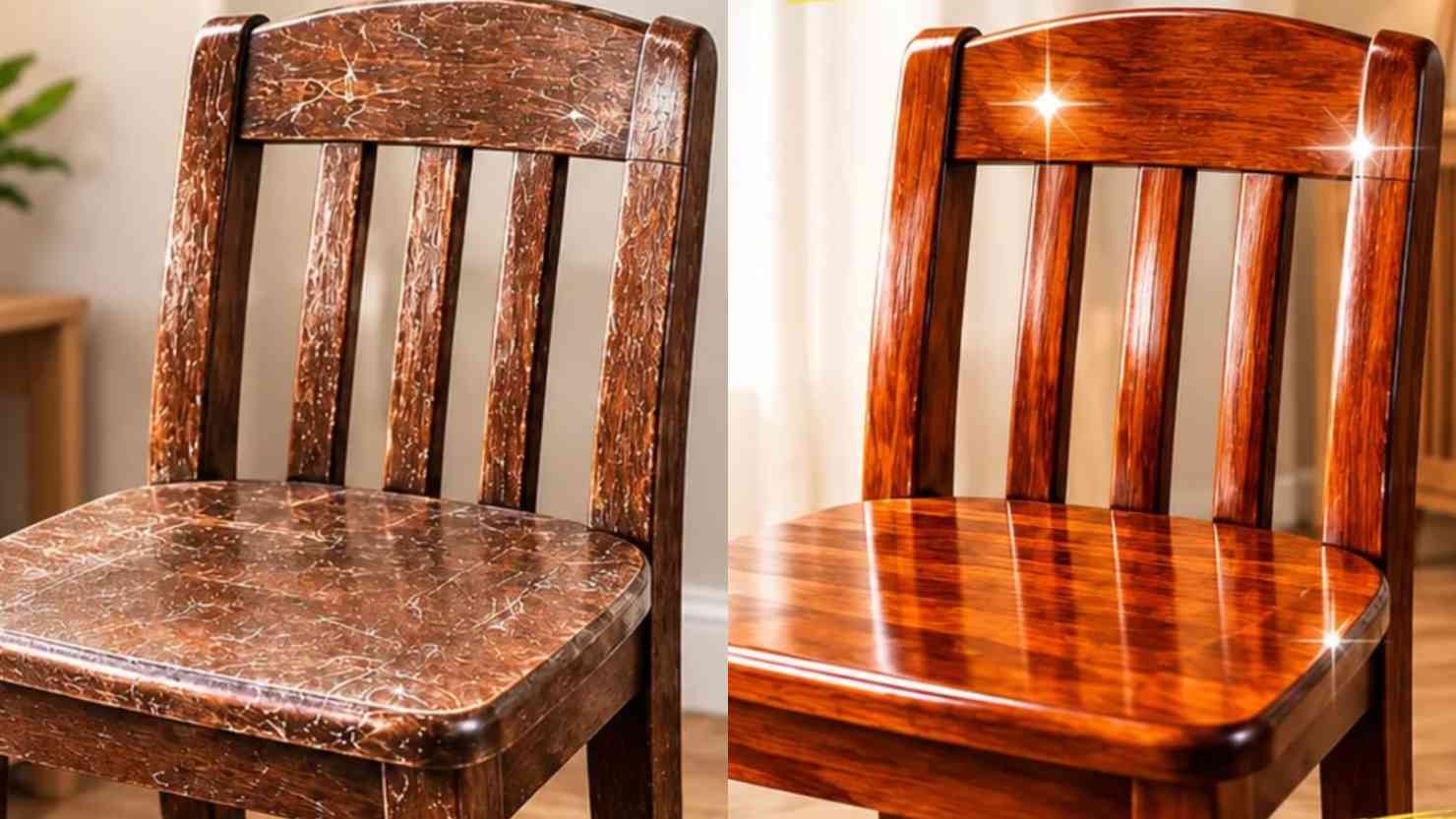
How to Clean Wooden Furniture at Home: A Complete Guide to Dusting, Deep Cleaning, and Restoring Shine

To keep your wooden furniture looking pristine, you must tailor your cleaning approach to the type of wood finish it has. Applying the wrong solution can strip away coatings or warp the natural material, turning a beloved piece into a costly repair project. The good news is that you don’t need expensive commercial products to maintain your furniture—a few household staples and the right technique can keep your wooden pieces looking beautiful for years.
The first line of defence is the daily dust-off, which prevents micro-scratches from dulling your finish over time. Dry dusting with coarse cloths pushes dirt particles across the wood, creating microscopic scratches that gradually rob it of its shine. Instead, use a slightly damp microfiber cloth to trap dust completely, wiping in the direction of the natural wood grain. Follow up immediately with a dry microfiber cloth to prevent water spots from forming. For deeper cleaning, when furniture feels sticky from oils, grease, or old polish buildup, you need a gentle soap solution rather than harsh chemical cleaners. Mix 1–2 drops of mild dishwashing liquid into a bowl of warm water, dip a soft cloth into the solution, wring it out until it is barely damp (not dripping wet), and gently wipe down the surface. Then dampen a second cloth with clean water to wipe away any soap residue, and dry the area completely with a fresh towel.
Tough stains like water rings from sweaty glasses or white hazy marks from hot plates can be lifted using basic household staples. Mix equal parts of plain white toothpaste (non-gel) and baking soda, dab a small amount onto the water ring, rub it gently with a soft cloth along the grain until the mark disappears, and wipe clean. For stubborn white rings, apply a thin layer of mayonnaise or petroleum jelly to the stain and let it sit for an hour or overnight—the natural oils will penetrate the finish and displace the trapped moisture causing the white fog. Wipe away and buff clean. Instead of commercial spray polishes that contain silicone and can leave a sticky, permanent buildup, blend a natural nourishing coat using 2 parts olive oil with 1 part fresh lemon juice or white vinegar. Pour a small amount onto a soft cloth and work it into the wood—the oil deeply moisturizes the dry grain while the acid lifts light surface discoloration—then use a clean, dry cloth to buff the surface until it achieves a smooth, glossy shine without feeling oily.
Finally, avoid the critical mistakes that can ruin your furniture. Never drench the wood, as excess moisture will cause solid wood and veneers to swell, crack, or warp. Avoid all-purpose sprays, window cleaners, ammonia-based solutions, and harsh multi-surface sprays, which degrade finishes almost instantly. And keep your prized wooden pieces out of direct sunlight, as UV rays break down wood fibers and cause severe fading and discoloration over time. By following these simple steps—dusting with a damp microfiber cloth, deep cleaning with mild soap, treating stains with kitchen staples, and nourishing with a natural oil blend—you can keep your wooden furniture looking beautiful and well-preserved for generations to come.
