
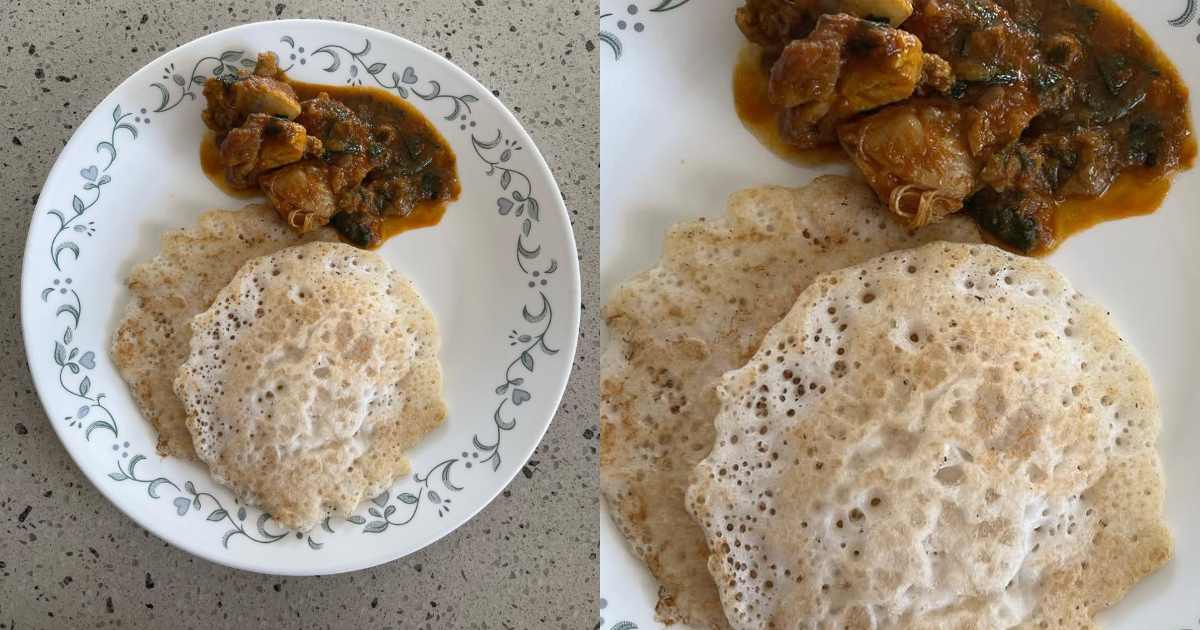

For many, the scent of fermenting rice batter and toasting coconut is the smell of home. In Kerala, that comforting aroma often heralds the making of Kallappam—a soft, thick, and spongy rice pancake that’s a cornerstone of traditional Kerala breakfast and celebratory meals. While its name derives from kallu (toddy), the traditional palm wine leavening agent, you don’t need to source rare ingredients to recreate this delicacy.
This guide walks you through a foolproof, toddy-free Kallappam recipe using simple pantry staples, demystifying the fermentation process to help you achieve those signature airy, melt-in-your-mouth textures at home. Ingredients for the Perfect Batter : Making Kallappam begins with assembling the right ingredients in the correct proportions. This recipe yields approximately 14-15 medium-sized appams, perfect for a family breakfast.
- Main Ingredients:
- Raw Rice: 2 cups
- Grated Coconut: 1 to 1.5 cups
- Cooked Rice: ¼ cup
- Leavening & Flavor:
- Active Dry Yeast: ½ teaspoon (our toddy substitute)
- Sugar: 2 tablespoons + ½ teaspoon for yeast activation
- Cumin Seeds: ½ teaspoon
- Shallots: 2-3, finely chopped (optional)
- Salt: 1 teaspoon, or to taste
- Water: As needed for batter consistency
Step 1: Activate the Yeast
In a small bowl, combine ½ teaspoon yeast, ½ teaspoon sugar, and ¼ cup lukewarm water. Stir gently and set aside in a warm place for 10 minutes until frothy. Crucial tip: Water must be lukewarm (about 110°F/43°C) – too hot will kill the yeast, too cold won’t activate it properly.
Step 2: Prepare the Base Ingredients
Wash the raw rice thoroughly and soak in water for 4-5 hours
Drain the rice completely – excess water affects fermentation
If using cooked rice, ensure it’s at room temperature
Step 3: Grind the Batter
In a blender, combine:
Drained soaked rice
Grated coconut
Cooked rice
Cumin seeds
Shallots (if using)
Begin grinding, adding small amounts of lukewarm water until you achieve a smooth, pouring consistency similar to pancake batter. The mixture should be fine with no gritty texture.
Step 4: Ferment the Batter
Transfer batter to a large, clean bowl (ensure it’s not more than ⅔ full)
Mix in activated yeast and 2 tablespoons sugar
Cover with a clean cloth or lid
Let ferment in a warm place:
Summer/warm climates: 4-5 hours
Winter/cool climates: 8-10 hours or overnight
Fermentation success signs: Batter will double in volume, appear frothy with bubbles, and develop a slightly tangy aroma.
Step 5: Cook the Kallappam
After fermentation, gently stir in salt (vigorous stirring deflates batter)
Heat a non-stick or cast-iron pan over medium heat
Lightly grease with coconut or vegetable oil
Pour one ladle of batter in center – do not spread
Cover and cook for 2-3 minutes until surface sets and bottom golden
Flip carefully and cook other side for 1-2 minutes
Serve immediately while warm and soft
